Artisans · Glass
Kosta Boda
Småland, SwedenSince 1742
Sweden's oldest working glassworks and its artist collections.
A short history
Kosta was founded in 1742 in the forests of Småland, in southern Sweden, by two officers of King Charles XII, Anders Koskull and Georg Bogislaus Staël von Holstein — the name combines theirs. It is the oldest Swedish glassworks still operating.
Through the 20th century Kosta hired artists as designers, starting with Gunnar Wennerberg in 1898. Elis Bergh led the studio from 1928, and Vicke Lindstrand from 1950 into the early 1970s, setting the tone of Swedish modern glass. In the 1960s and 70s the neighboring Boda and Åfors works joined Kosta, and the company traded as Kosta Boda from 1976. It merged with Orrefors in 1990 and still makes glass in Kosta today.
The artists
- Vicke Lindstrand 1950–1973 Artistic director; elegant mid-century forms and engraved crystal.
- Erik Höglund Boda, 1950s–60s Heavy, irregular glass with deliberate bubbles and stamped figures.
- Bertil Vallien from 1963 Sand-cast sculpture, heads and boats, plus series like Satellite, Rainbow and Antikva.
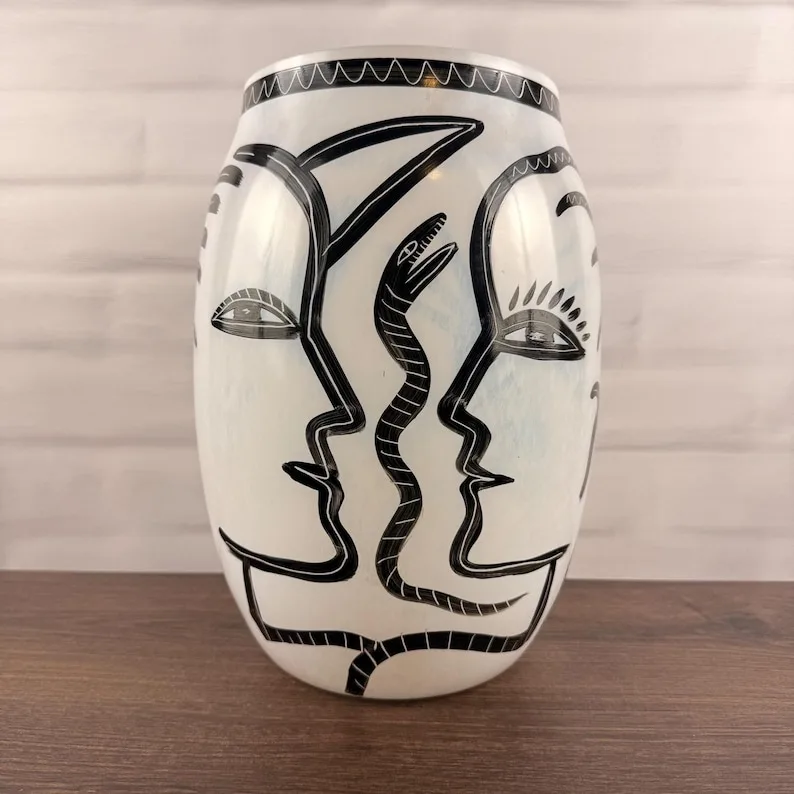
- Ulrica Hydman Vallien from the 1970s Hand-painted faces, snakes and flowers in black, white and bright color.
- Kjell Engman from the 1970s Playful, colorful pieces: Filippa candlesticks, Bon Bon, the Catwalk shoes.
- Anna Ehrner, Monica Backström, Göran Wärff, Gunnel Sahlin various Other key Kosta Boda designers you'll see in our shop.
Identifying Kosta Boda
- Signatures. Art pieces are usually engraved on the base with the factory name, the artist's name or initials, and a model number — for example "Kosta Boda Artist Collection B. Vallien 48176".
- Labels. Paper, foil or plastic labels read "Kosta", "Boda", "Kosta Boda" or "Since 1742", depending on the era.
- Series names. Artist Collection, Rainbow, Zoo and Artist's Choice pieces were often sold with boxes and certificates, which add value when present.
- Weight and casting. Vallien's sand-cast pieces are heavy and matte-textured where they met the mold; that surface is intentional.
Further reading
- Kosta Boda — the official site
- Kosta Glasbruk on Wikipedia — company history
- Kosta Boda identification guide — labels, marks and designers
In our shop now
Kosta Boda at Comac Collection
Caramba Vase
Ulrica Hydman Vallien · Artist Collection
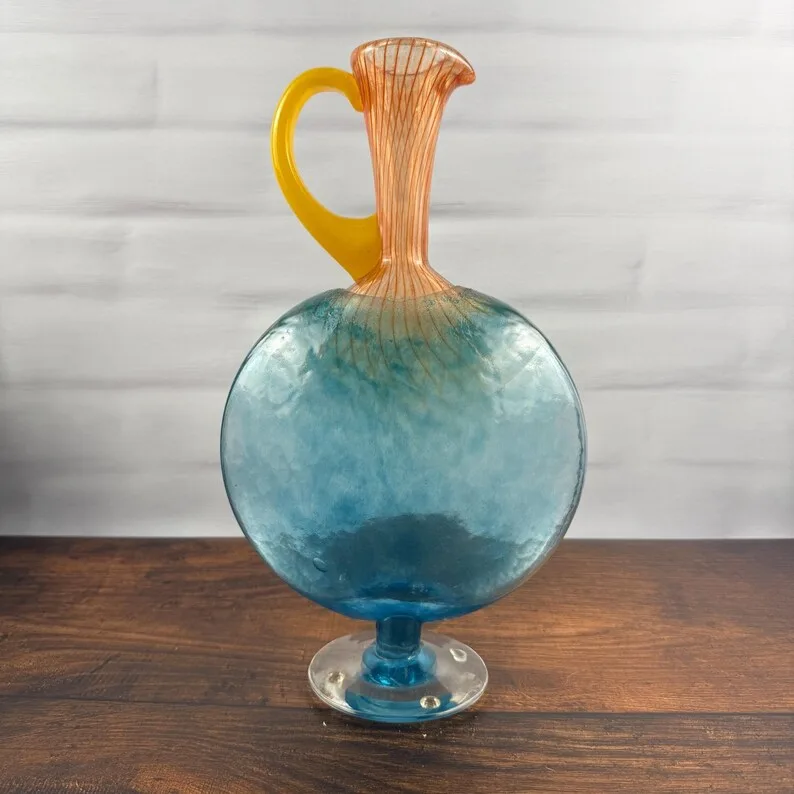
Bon Bon Pitcher
Kjell Engman · Blue and orange
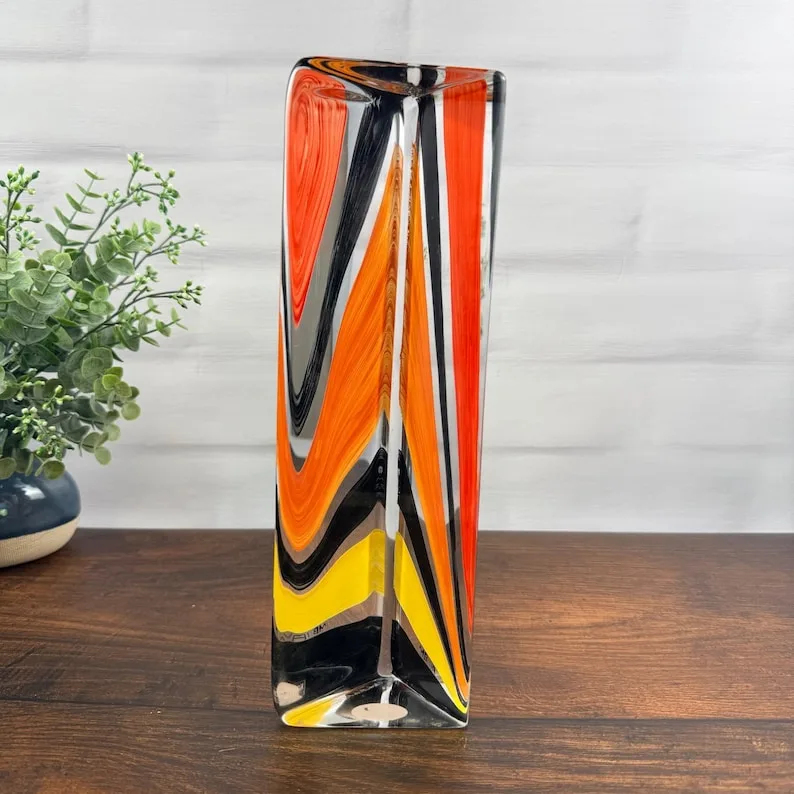
Kaleidoscope Sculpture
Monica Backström · Signed

Filippa Candlesticks, Pair
Kjell Engman · 11"
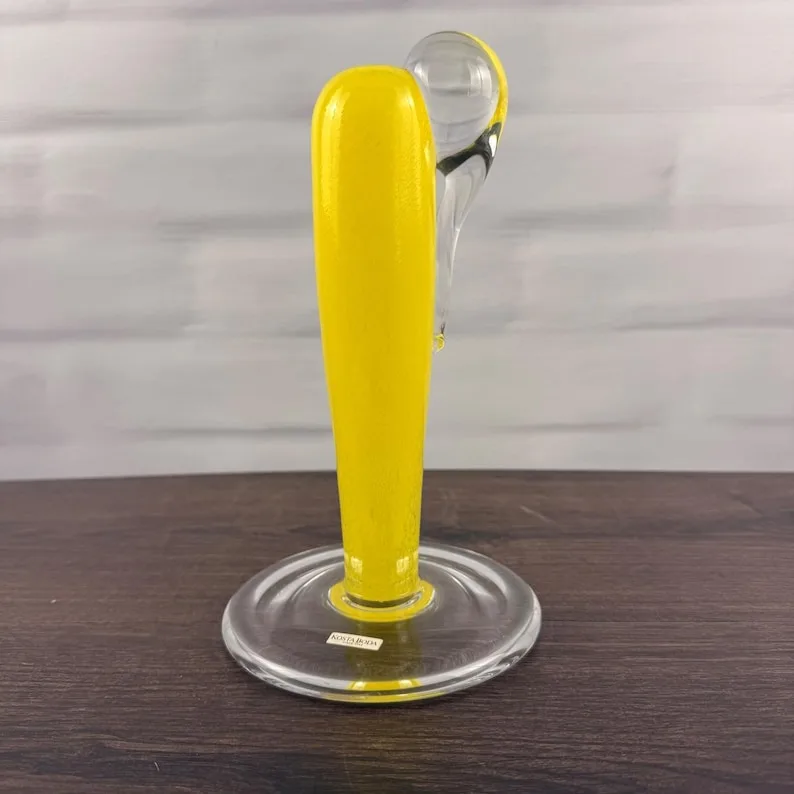
Apostrof Yellow Vase
Bertil Vallien · 48941
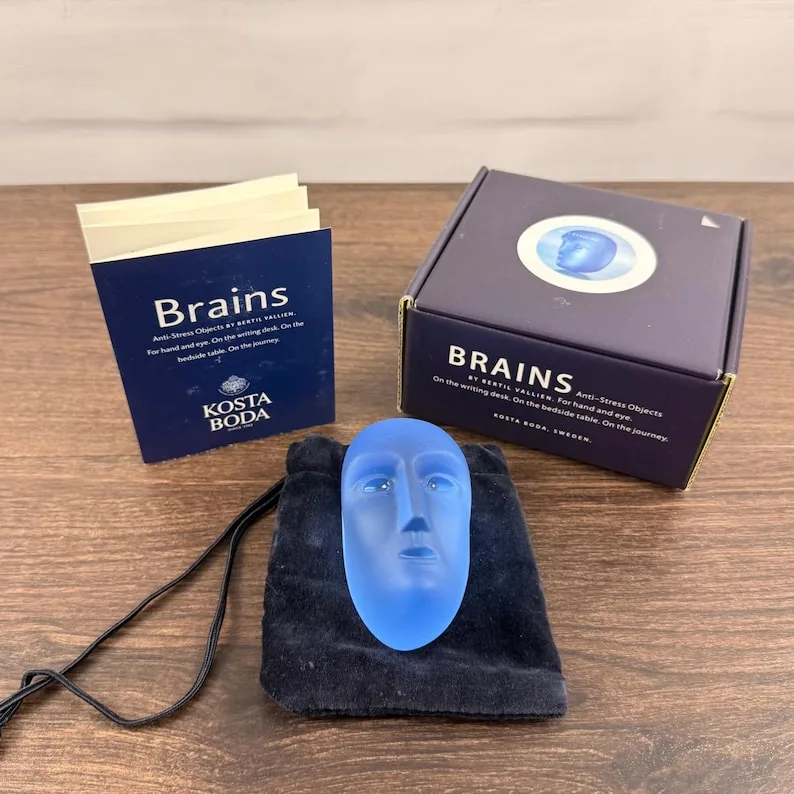
Brains "Karolina" Glass Head
Bertil Vallien · Boxed
Looking for a specific piece? Tell us what you're hunting for and we'll keep an eye out.
More artisans
Keep exploring

Glass · Milton, West Virginia, USA
Blenko Glass
Saturated turquoise, tangerine and amethyst from West Virginia. The maker we carry more than any other, from Winslow Anderson to Hank Adams.
Explore Blenko →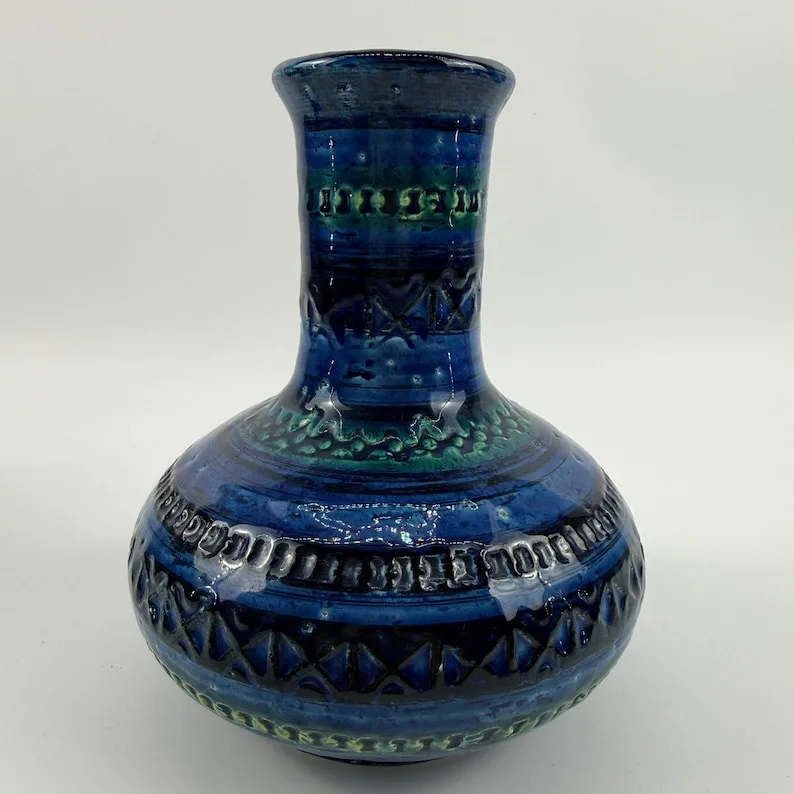
Ceramics · Montelupo Fiorentino, Tuscany, Italy
Bitossi
Tuscan art pottery from Montelupo — Aldo Londi's Rimini Blu, sgraffito Seta, the Liberty birds and the Flavia animals.
Explore Bitossi →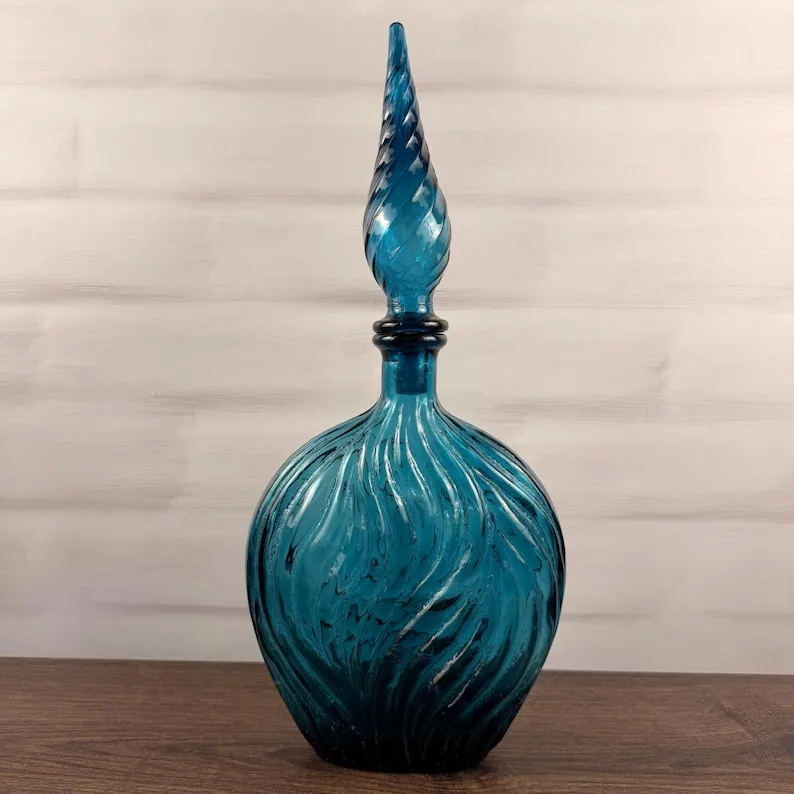
Glass · Empoli, Tuscany, Italy
Empoli Glass
Mid-century Tuscan glass in amber, olive, peacock blue and pink — genie bottles, circus-tent jars, apothecary urns and twisted-stem goblets.
Explore Empoli →